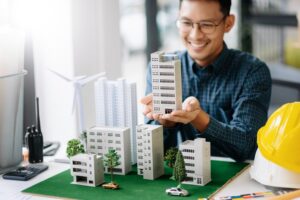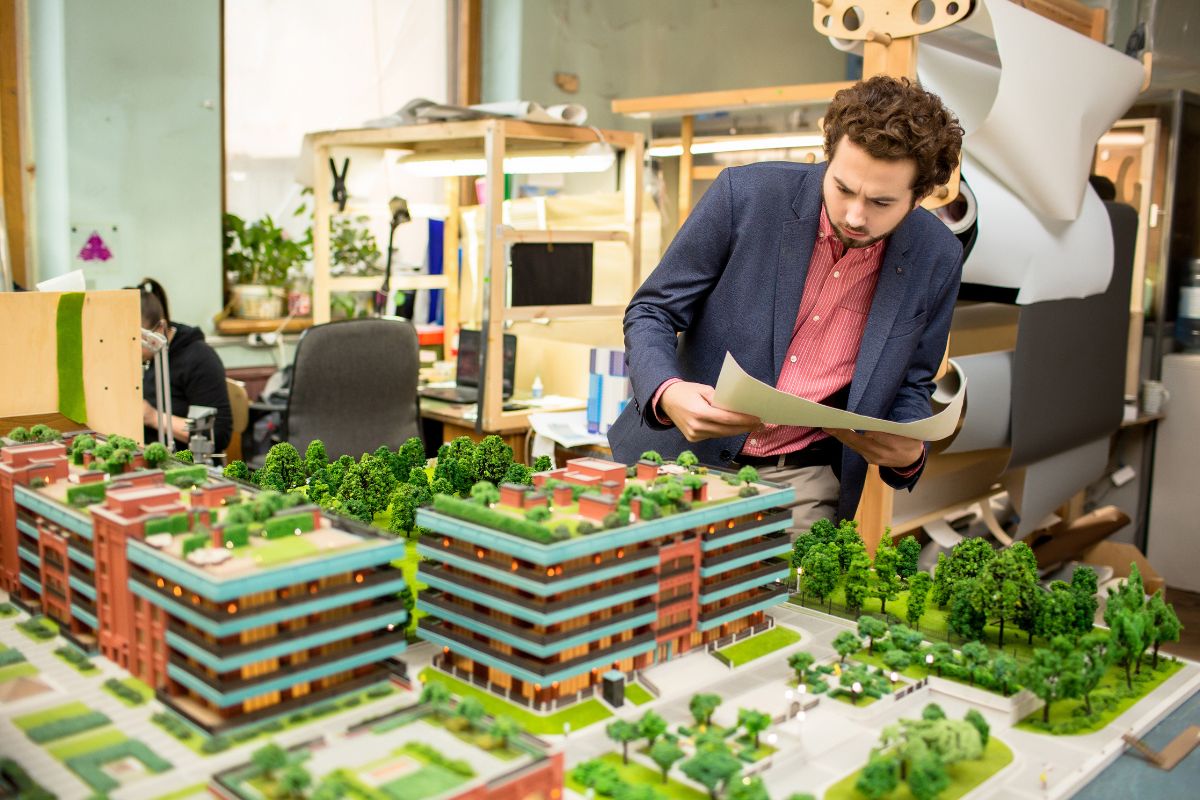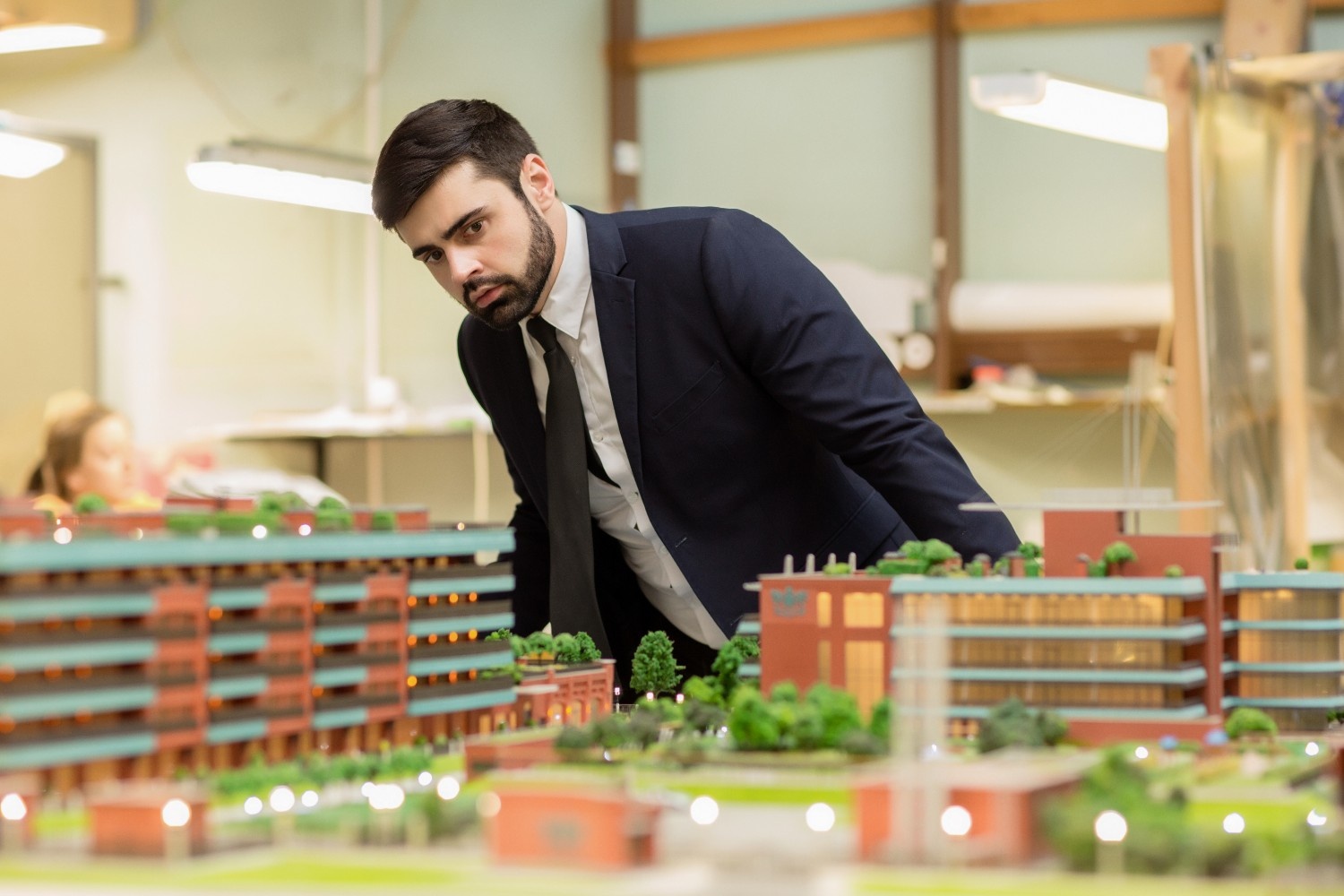

In an age where environmental sustainability is paramount, the concept of green cities has emerged as a beacon of hope for a brighter future. These cities, driven by a commitment to ecological stewardship and sustainable development, are revolutionizing the way we plan, design, and inhabit urban spaces. Join us as we delve into the transformative potential of green cities and their profound impact on the trajectory of urban living.
Embracing sustainable practices
Green cities represent a paradigm shift in urban planning, prioritizing environmental conservation and resilience in their development strategies. Through the integration of renewable energy sources, energy-efficient buildings, and green infrastructure, these cities aim to minimize carbon emissions, reduce waste, and mitigate the impacts of climate change. By embracing sustainable practices, green cities strive to create healthier, more livable environments for their residents.
Fostering biodiversity and connectivity
Central to the concept of green cities is the preservation and enhancement of natural ecosystems within urban areas. Parks, green spaces, and urban forests serve as vital sanctuaries for biodiversity, providing habitat for wildlife and promoting ecological balance. Moreover, green corridors and connectivity networks facilitate the movement of species, allowing for greater genetic diversity and resilience in the face of environmental pressures.
Enhancing quality of life
Beyond their environmental benefits, green cities offer numerous advantages for the well-being and prosperity of their inhabitants. Access to green spaces has been shown to improve physical and mental health, reduce stress, and foster a sense of community. Additionally, sustainable transportation options, such as cycling lanes and pedestrian-friendly infrastructure, promote active lifestyles and reduce reliance on carbon-intensive modes of travel.
Promoting equitable development
Crucially, green cities prioritize inclusive and equitable development, ensuring that the benefits of sustainability are shared by all members of society. By investing in affordable housing, public transit, and green infrastructure in underserved communities, these cities seek to address social inequalities and create opportunities for economic empowerment. Through collaboration and community engagement, green cities strive to build a more just and resilient urban future for all.
Navigating challenges
Despite their promise, green cities face a range of challenges in their pursuit of sustainability. Urban sprawl, population growth, and resource constraints present significant hurdles to the implementation of green initiatives. Additionally, funding limitations and political barriers can hinder progress towards sustainability goals. However, by adopting innovative solutions, fostering partnerships, and engaging stakeholders, green cities can overcome these challenges and chart a course towards a more sustainable and prosperous future.
Maecenas iaculis pharetra nunc sit amet malesuada. Nulla facilisi. Fusce molestie at libero at ultricies. Suspendisse iaculis orci quam, at iaculis nisl dapibus eget. Quisque quis aliquet nisl, maximus viverra ligula. Sed erat elit, luctus id pulvinar quis, consectetur vitae ex
Darrel Wilson
Charting a sustainable future
As we confront the urgent challenges of climate change and environmental degradation, the imperative to build green cities has never been greater. Through visionary leadership, bold action, and collective commitment, we can transform our urban landscapes into vibrant, resilient hubs of sustainability and innovation. Together, let us embrace the promise of green cities and pave the way for a greener, healthier, and more prosperous tomorrow.